
External Exposome
Environmental Exposures
The World Around Us, the Biology Within
Every day, we exchange signals with the world—through the air we breathe, the scents we encounter, the food we taste, and everything that touches our skin.
Within us, our genes, metabolism, hormones, nervous system, and immune system continuously respond to these external signals. Over time, this dialogue shapes our skin, emotions, and overall well-being.
This is why we focus on the exposome:
to understand how everyday exposure becomes a biological response—and how each interaction can become a more positive influence on human health.
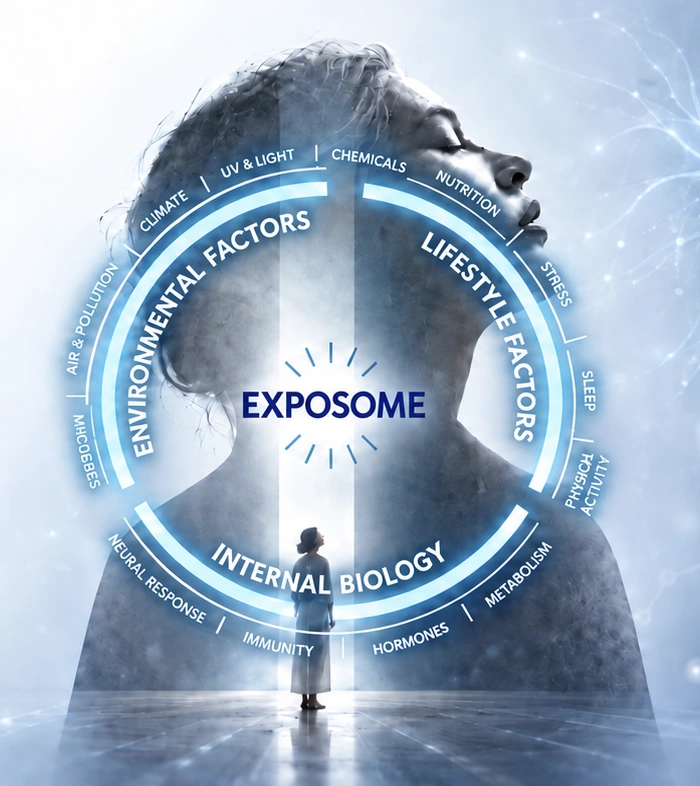
Integration of External and Internal Factors and Exposure Dynamics in Determining Human Health
Environmental Exposures

Lifestyle & Individual Factors

Exposure Over Time
An individual’s unique exposure profile across space and time.
 External(Environmental)
 Internal(Individual)
 Exposure Dynamics(Temporal)
 Personal Exposome
Toward a Quantifiable Reference for Exposome-Driven Biological Impact
A&S focuses on understanding how the external exposome influences human health and biological functions. From environmental and lifestyle factors to biological responses and health status, these elements form complex and dynamic relationships. To better understand these pathways and mechanisms, A&S continues to develop relevant research methods and science-based solutions.
As a first step, A&S is working toward the development of the Exposome Biological Impact Index (EBII). EBII aims to integrate multiple exposure and biological response factors through scientific models and algorithms, translating them into a quantifiable reference index for assessing, understanding, and managing the dynamic biological impact of the exposome.




Quantifiable
Reference Index
Environmental Exposures
All non-genetic exposures originating outside the individual.


Air · UV · Noise · Climate

Pollutants · Metals · Pesticides

Pathogens · Allergens · Microbiota

Urban life · Work · Indoor environment

Microplastics · Water · Food contaminants
Lifestyle & Individual Factors
Endogenous and modifiable factors within the individual.


Diet & Nutrition · Physical Activity · Sleep · Psychological Stress
Smoking · Alcohol · Medications · Social Interaction
Innate Factors · Genetics & Epigenetics · Immune Function · Inflammation
Oxidative Stress · Metabolism · Endocrine Status · Gut Microbiome · Neuroendocrine Function

The Third Dimension
of Exposome Science
Temporal aspects of exposure have long been discussed. The distinctive contribution of A&S founder Dr. Yen is to formalize Exposure Dynamics as an independent, core third dimension alongside External and Internal Exposome.
This dedicated framework explains and quantifies how exposures vary in intensity, persist over time, recur, occur at critical moments, interact as mixtures and accumulate across the lifespan.

Six Dimensions of Exposure Over Time

How much
Dose / Concentration

How long
Length of time

How often
Occurrences per unit time

When
Time of day · Week · Season · Life stage

What combination
Co-exposures & correlations

Over the lifespan
Time-weighted accumulated dose
Health effects unfold in sequence—and can reinforce the exposures that shaped them.

Accumulated external, internal and temporal exposures
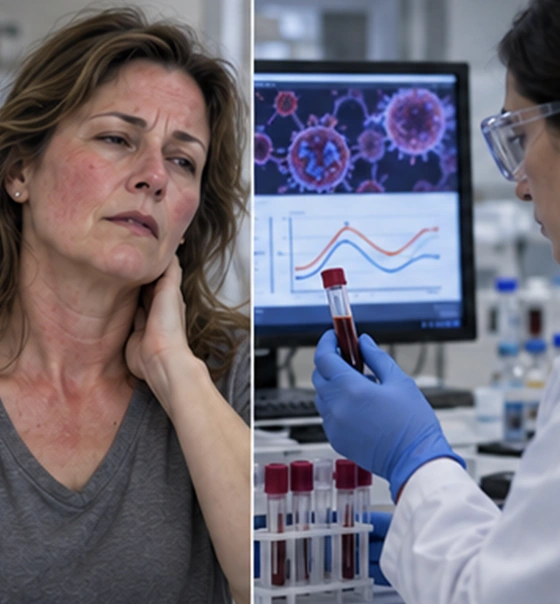
Inflammation · Oxidative stress · Neuroendocrine and metabolic change

Reduced resilience · Impaired repair · Loss of homeostasis · Functional decline

Progressive effects on physical, mental and long-term wellbeing
Exposures AccumulateBiology RespondsAging Trajectory ShiftsHealth Changes
An Upstream-to-Downstream Cascade Across Biological Levels

External exposures · Internal factors · Exposure dynamics
Physical · Chemical · Biological · Social · Lifestyle

Inhalation · Ingestion · Dermal & mucosal uptake
Determines the biologically effective dose
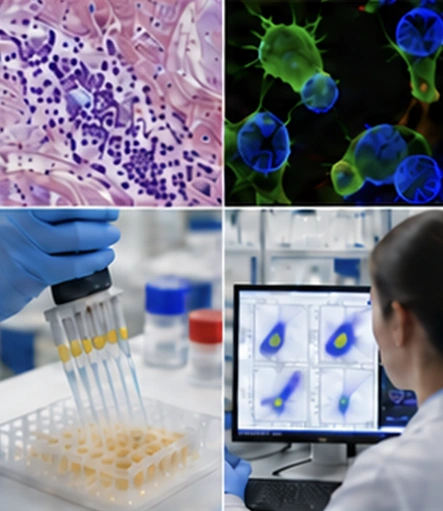
Oxidative stress · Inflammation
Endocrine, immune & metabolic dysregulation
DNA damage · Epigenetic change

Cellular stress & damage
Tissue dysfunction · Organ-system effects
Altered aging trajectory

Acute effects · Chronic conditions
Developmental & reproductive impacts
Reduced physical & mental wellbeing
Compromised healthy longevity
Biological impact reflects both exposure burden and individual susceptibility.
Four Interacting Dimensions Shape Estimated Biological Impact

Physical · Chemical · Biological
Social · Lifestyle · Sensory
Higher exposure Higher E

Genetics · Epigenetics · Age
Baseline health · Existing conditions
Higher susceptibility Higher S

Repair · Immune defense · Detoxification
Metabolic flexibility · Recovery capacity
Protective capacity
Higher resilience Higher R

Duration · Frequency · Timing
Cumulative burden · Life course stage
Longer exposure time Higher T
ε is a small constant included for numerical stability.
A first-order conceptual approximation. Real-world relationships may be nonlinear, dynamic and feedback-dependent.
Interpreting Estimated Impact Across Biological Levels

Greater Estimated Biological Impact

Lower Estimated Biological Impact
DNA damage · Oxidative stress · Epigenetic change
Inflammation · Senescence · Impaired signaling

Tissue dysfunction · Multi-system effects

Reduced resilience · Recovery · Adaptability

Healthspan · Wellbeing · Function · Quality of life

